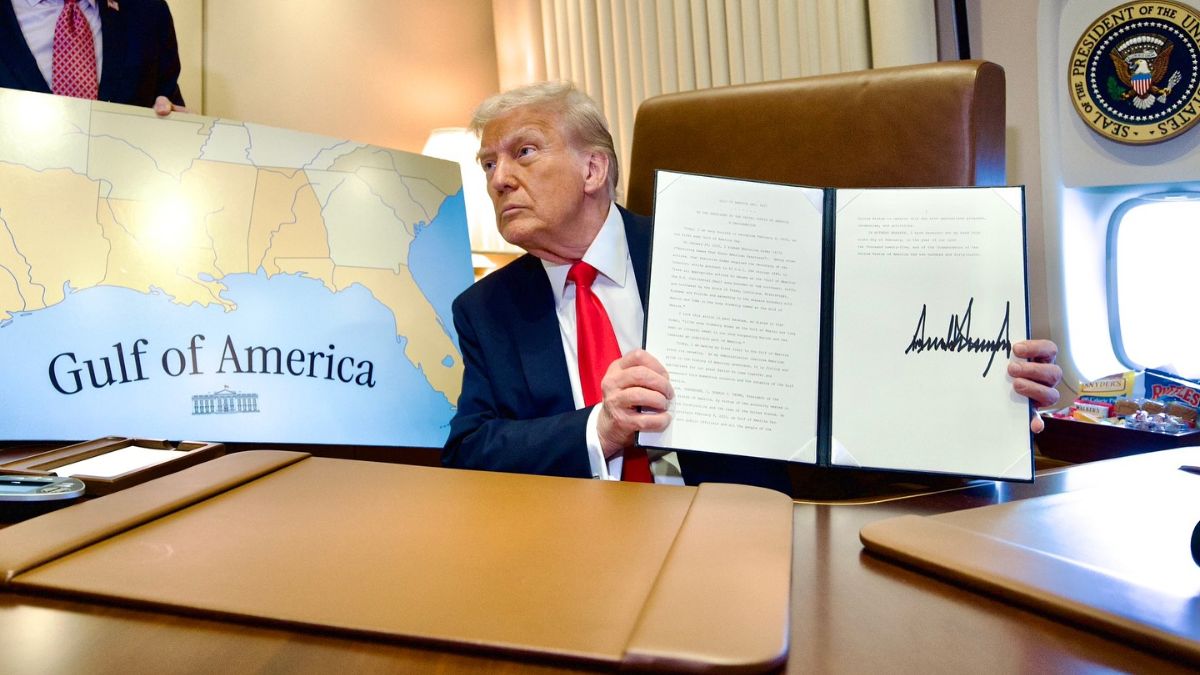
Donald Trump’s second term as President has been closely watched, not only by his supporters but also by critics, allies, and global observers. With the benefit of experience from his first presidency, expectations were high that governance would be more disciplined and strategic. However, several patterns and choices stood out as areas that could have been handled more carefully. Below are 10 key things many analysts believe Donald Trump should have avoided in his second term to ensure more effective leadership and stability.
1: Excessive Personal Rhetoric
One of the most persistent issues was the continued use of aggressive and personal language. Sharp rhetoric often distracted from policy achievements and kept controversies alive unnecessarily.
2: Frequent Policy Reversals
Shifting positions on major policies created uncertainty for businesses, international partners, and even federal agencies. Consistency is critical in governance, especially during economic or geopolitical stress.
3: Over-Reliance on Social Media Announcements
Important policy signals delivered through social media often lacked context and clarity. This sometimes led to market volatility and diplomatic confusion.
4: Public Disputes with Institutions
Repeated clashes with courts, regulatory bodies, and oversight institutions weakened institutional trust. A cooperative approach could have strengthened democratic norms.
5: Alienating Key Allies
Strained relations with long-standing allies reduced diplomatic leverage. In a complex global environment, strong alliances remain essential for national security and trade.
6: Politicizing the Civil Service
Criticism of career officials and frequent leadership changes within departments disrupted administrative continuity and reduced policy efficiency.
7: Escalating Cultural and Social Divides
Rhetoric that appeared to favor one group over another deepened social polarization. A more unifying tone could have eased internal tensions.
8: Limited Willingness to Compromise
Effective governance in a divided political system requires negotiation. A rigid stance on legislation slowed progress on key reforms.
9: Downplaying Expert Advice
Ignoring or publicly questioning expert input on economics, health, or foreign policy reduced confidence in decision-making processes.
10: Personalizing Political Criticism
Treating political opposition as personal enemies intensified conflict. Separating policy disagreement from personal attacks could have improved governance outcomes.
Donald Trump’s second term offered an opportunity to refine leadership style and governance methods. Avoiding these ten issues could have resulted in greater stability, stronger institutions, and more durable policy outcomes. While supporters and critics may differ in interpretation, most agree that leadership tone and consistency matter as much as ideology.